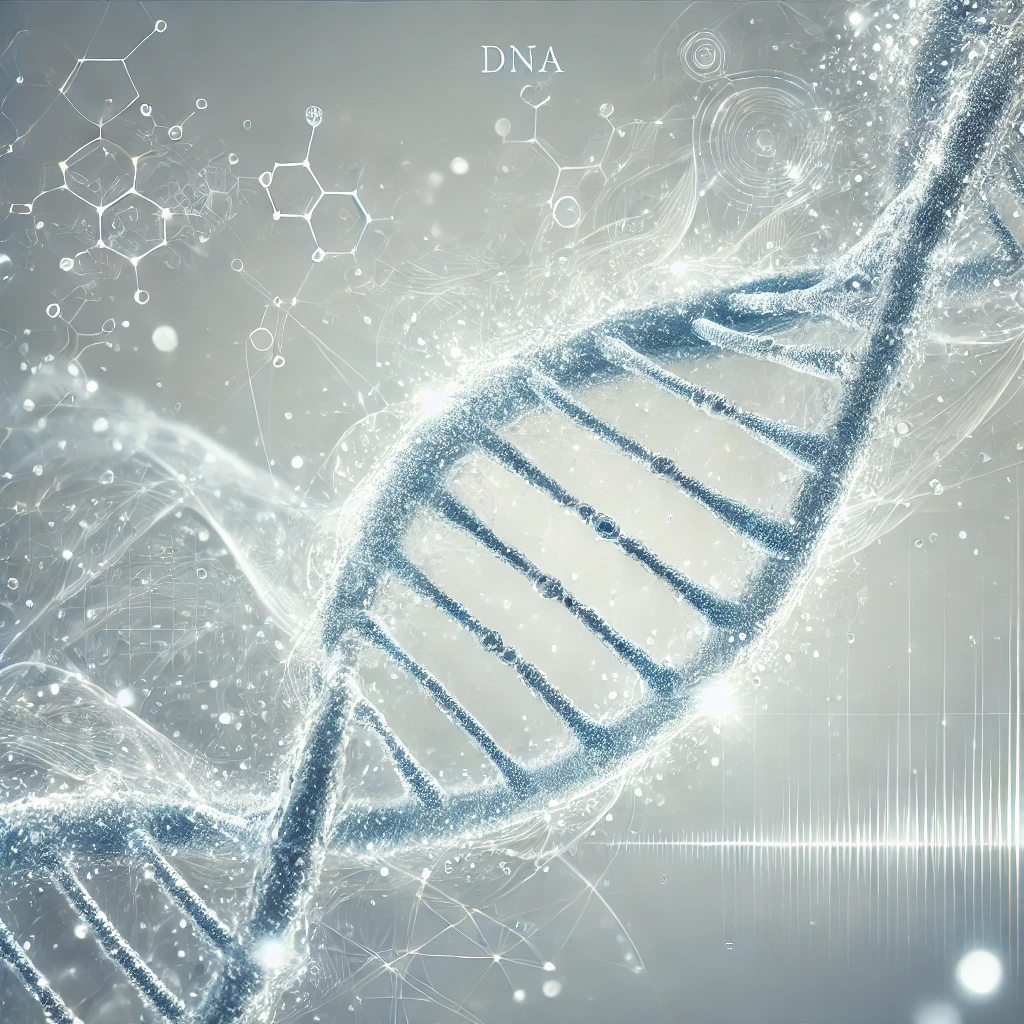
Understanding the Definition of Genetics
Genetics is the branch of biology that studies genes, heredity, and genetic variation in living organisms. It explores how traits are passed from one generation to the next and how these traits influence organisms. The study of genetics is fundamental in understanding the complexities of life, affecting everything from human health to biodiversity.
Historical Background of Genetics
The field of genetics began with Gregor Mendel in the mid-19th century. Mendel's experiments with pea plants laid the foundation for understanding heredity. His work identified the concepts of dominant and recessive traits, the idea of genes, and how these factors contribute to an organism's phenotype. Later developments in the early 20th century, such as the discovery of DNA's structure, expanded our understanding of genetic processes.
Key Concepts in Genetics
-
Genes and DNA: Genes are segments of DNA that encode the instructions for the synthesis of proteins. DNA, or deoxyribonucleic acid, is the hereditary material in humans and almost all other organisms. Each gene resides at a specific location on a chromosome and consists of a particular order of nucleotides, which is critical for its function.
-
Chromosomes: In most human cells, DNA is packaged into 23 pairs of chromosomes. These structures ensure the accurate replication and distribution of DNA during cell division. Chromosomes play a vital role in ensuring genetic material is passed accurately through generations.
-
Gene Expression: This process determines how a specific gene is turned on or off in a cell, leading to the production of proteins. The regulation of gene expression affects how cells function and respond to their environment, influencing an organism's development and adaptation to changes.
-
Genetic Variation: This refers to the differences in the genetic makeup of individuals within a species. Variations occur through mutations, gene flow, and sexual reproduction, contributing to diversity within a population.
Applications of Genetics
Genetics has revolutionary implications in various fields:
-
Medicine: Understanding the genetic basis of diseases has enabled the development of targeted therapies and personalized medicine. Genetic testing helps identify risks for certain hereditary conditions, guiding preventive measures and treatments.
-
Agriculture: Genetic research supports the development of crops with improved yield, resistance to pests and diseases, and adaptation to environmental changes.
-
Forensics: DNA profiling is a standard method in forensic science to identify individuals and solve crimes.
Practical Insights
By understanding genetics, individuals can access services like ChatDNA that offer insights into health and wellness by analyzing DNA data. Services like this allow users to explore potential health risks or benefits based on their genetic makeup, though not all focus on ancestry. By reusing data from popular DNA testing companies, it provides an accessible platform for deeper understanding.
Less Commonly Known Aspects
One lesser-known area of genetics is epigenetics. This study examines changes in gene expression that do not involve altering the underlying DNA sequence. These changes can be influenced by environmental factors, such as diet or stress, and may even be passed to subsequent generations, affecting how genes are expressed without changing the genetic code itself.
Conclusion
The field of genetics extends beyond the basic understanding of heredity. It plays a critical role in diverse areas from healthcare to forensics, enriching our comprehension of biological processes. As technology advances, the potential for genetics to inform and shape our understanding of life continues to grow. For individuals interested in exploring their genetic data, platforms like ChatDNA can provide valuable insights into health-related genetic information.
What is ChatDNA?
ChatDNA can analyze your DNA to answer any question. When you ask a question it will provide clear explanations and meaningful insights about who you are at a genetic level.
You can import existing DNA results from all major services like 23andMe and AncestryDNA or purchase a new DNA test kit through ChatDNA.
ChatDNA is especially valuable for anyone interested in:
- Understanding how their genes influence health and wellness
- Learning about their unique genetic traits
- Discovering personalized insights about their biological characteristics
- Getting clear, conversational answers to their DNA-related questions
Ready to get answers about your DNA? Visit ChatDNA.co to get started.